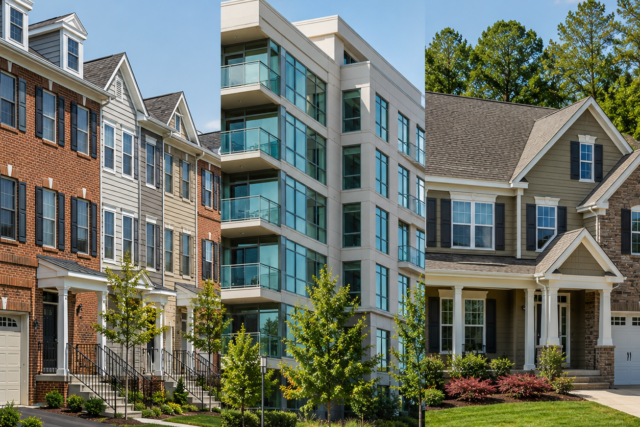



Metro Atlanta delivers two completely different experiences for home buyers, whether you choose suburban or urban life. Gwinnett County and Fulton County are both popular parts of the region, but they differ in housing costs, neighborhood styles, commute options, and the type of daily life they provide.
Gwinnett County has a suburban feel and includes communities such as Suwanee, Duluth, Lawrenceville, Buford, and Peachtree Corners. On the other hand, Fulton County covers a much broader range, from Atlanta’s urban neighborhoods to established northern suburbs such as Alpharetta, Roswell, Johns Creek, and Milton. For buyers, these differences can have a direct impact on what type of home and community best fits their needs.
Fulton County remains one of the largest residential markets in Metro Atlanta. World Population Review estimates the county’s 2026 population at 1,107,114, highlighting the scale of the market and the wide range of communities available to home buyers. Therefore, to understand which county would best suit their needs, home buyers should consider more than home prices. Location, space, commute, amenities, and long-term lifestyle are all important factors.
Gwinnett County vs Fulton County for Home Buyers
Let’s delve into data-driven insights to help you make an informed decision when comparing Gwinnett County vs. Fulton County for home buyers. Looking at the differences in communities, pricing, housing, commute, and everyday convenience can give you a clearer idea of what each county offers.
Gwinnett County’s Suburban Character
One of the most significant differences between the two counties is the lifestyle they provide. Gwinnett County lies northeast of Atlanta and features communities such as Duluth, Lawrenceville, Suwanee, Norcross, Peachtree Corners, and Buford. Much of the county has a suburban feel, with established neighborhoods, single-family homes, townhomes, shopping centers, parks, and newer developments.
Fulton County’s Diverse Communities
Fulton County encompasses a wide variety of communities. It includes the city of Atlanta along with areas such as Alpharetta, Johns Creek, Roswell, Sandy Springs, Milton, and South Fulton. Because of this diversity, buyers can find everything from urban condos and townhomes to large suburban and luxury homes.
That variety is one of the main reasons buyers should look at individual communities rather than judging either county as a whole.
Home Prices and Your Buying Budget
Price is naturally one of the first things to consider when comparing Gwinnett County and Fulton County.
Gwinnett County might appeal to buyers who want to keep their purchase price manageable. A more affordable home can give some buyers greater flexibility to look for additional bedrooms, a larger yard, or a newer property. Buyers should also consider ongoing ownership costs, including property taxes in Gwinnett County, when setting their overall budget.
Despite this, buyers should not assume that every home in Gwinnett would cost less than every home in Fulton. Both counties contain neighborhoods at many different price points.
Fulton County, for example, includes areas with relatively expensive homes as well as communities where buyers can find more attainable properties. Your budget should therefore be compared against specific neighborhoods and current listings rather than county averages alone.
Location and Commute
Your work location and frequency of commuting to Atlanta can make a major difference in your decision.
Fulton County has a clear location advantage for buyers who regularly travel to Atlanta’s urban core. Living in Atlanta or nearby Fulton communities can put you closer to major employment centers, restaurants, entertainment, sporting events, and cultural attractions.
Northern Fulton communities such as Alpharetta, Roswell, Johns Creek, and Sandy Springs can offer a suburban environment while still providing relatively convenient access to Atlanta and surrounding business districts.
Gwinnett County is farther northeast, but that does not mean every potential buyer will face a very long commute. The county has multiple employers, major business establishments, shopping centers, healthcare services, and entertainment options.
For example, someone working in Peachtree Corners or Duluth may find a Gwinnett home much more convenient than a home closer to central Atlanta.
When comparing the two counties, look at your actual daily route rather than simply measuring distance from Downtown Atlanta.
Housing Options in Gwinnett County
Gwinnett can be particularly appealing to buyers looking for a traditional suburban home.
The county offers an abundance of single-family homes as well as a strong supply of townhouses, apartments, and new neighborhoods. Single-family homes are among the most common housing types throughout Gwinnett County.
This diversity provides home buyers with many options based on the number of bedrooms they need, garage preferences, outdoor space, and the type of neighborhood they want. It is also helpful to understand common homebuyer mistakes to avoid before making a decision.
Areas such as Suwanee, Lawrenceville, Duluth, Buford, and Peachtree Corners each have their own character and housing mix. As a result, home seekers can explore a wide selection of communities within the county.
New construction can also be worth considering in parts of Gwinnett. Buyers who prefer newer layouts, modern finishes, and energy-efficient features may find more opportunities in developing suburban areas.
Housing Options in Fulton County
Fulton County is one of the most diversified housing markets in the Atlanta region.
Buyers can choose from a wide range of homes, including downtown condos, townhouses, traditional-style houses, newer construction, and high-end luxury properties. The county’s size and variety mean that two Fulton neighborhoods can offer completely different living experiences.
If you want to live close to Atlanta and prefer a condo or townhome, Fulton may provide more choices. On the other hand, buyers looking for a large suburban property can explore northern communities such as Milton, Alpharetta, Roswell, and Johns Creek.
This variety can be useful when your needs as a home buyer change over time. You can look for a home that fits your current lifestyle while still considering different neighborhoods within the same county.
Schools and Family Needs
For buyers with children, schools can be a major part of the decision.
Gwinnett County is known for its large established suburban communities and family-oriented neighborhoods. Buyers looking there often compare homes based on school assignments, neighborhood amenities, property size, and proximity to parks and recreational facilities.
Fulton County is also home to excellent communities for families, particularly in its northern areas. However, school assignments can vary from one neighborhood to another.
Instead of assuming that one county is automatically better, check the specific schools assigned to each property you are considering. School boundaries can make a significant difference, even between nearby neighborhoods.
Everyday Convenience and Local Amenities
Your daily routine should also influence your choice.
Gwinnett can appeal to buyers who want shopping, restaurants, parks, schools, and residential neighborhoods close to one another. It is possible to find communities that offer a quieter suburban environment while still providing convenient access to everyday amenities.
Fulton provides buyers with more variety in lifestyle. You can choose an urban environment with restaurants and entertainment nearby or move farther north into a suburban community with larger homes and more residential space.
Think about what you want to do on a normal weekday. If you enjoy being close to city attractions, Fulton may have an advantage. If you prefer spending more time within a suburban community, Gwinnett may feel like a better fit.
Property Taxes, HOA Fees, and Other Costs
The purchase price is only one part of the cost of owning a home.
Before placing an offer on any home, it is important to check property taxes, homeowners insurance, HOA fees, maintenance, and utility expenses. These costs can vary significantly between neighborhoods, even within the same county.
HOA fees are particularly important when comparing townhomes, planned communities, and newer developments. A home with a slightly higher purchase price could sometimes have lower recurring costs, while a cheaper property could require more repairs to bring it up to current standards. Looking at the home’s long-term value is just as important, which is why knowing how to evaluate a home’s resale potential can help buyers make a smarter investment.
This is why comparing the complete monthly cost is more useful than comparing listing prices alone.
Space and Property Size
If having more living space is high on your list, Gwinnett may be worth exploring first.
There are many single-family homes with multiple bedrooms, larger garages, and outdoor areas in suburban neighborhoods throughout Gwinnett County. This can be useful for families or buyers planning to stay in the home for several years.
Fulton also has larger properties, particularly in northern communities, but buyers may need to increase their budget depending on the location and type of home.
The key is to compare what your budget can buy in specific neighborhoods rather than assuming one county will always offer more space.
Planning for the Long Term
Purchasing a house is a long-term decision, so do not limit your considerations to your current needs.
A buyer working remotely from home may place less importance on commuting and more value on home size, neighborhood amenities, and outdoor space. For that buyer, parts of Gwinnett may make sense.
Fulton could suit a buyer who works in Atlanta, frequently attends events in the city, or wants easy access to restaurants and entertainment.
Your future plans also matter. If you expect to have children, work from home, change jobs, or need additional space in the next few years, choose a property that can accommodate those changes.
Gwinnett County vs Fulton County for Home Buyers: Comparison
| Factor | Gwinnett County | Fulton County |
|---|---|---|
| Overall Feel | Primarily suburban with established residential communities | A mix of urban, suburban, and upscale communities |
| Housing Options | Strong selection of single-family homes, townhomes, apartments, and new construction | Condos, townhomes, single-family homes, new construction, and luxury properties |
| Atlanta Access | Good access, depending on the community and daily commute | Generally closer to Atlanta and major urban employment centers |
| Space & Property Size | Many suburban homes with multiple bedrooms, garages, and outdoor space | Property sizes vary widely, especially between Atlanta and northern Fulton |
| Lifestyle | Residential, suburban, and community-focused | Greater variety, from urban living to established northern suburbs |
| Best For | Buyers prioritizing suburban living, space, and community amenities | Buyers prioritizing location, housing variety, and access to Atlanta |
| Ideal Buyer | Families, remote workers, and buyers seeking more suburban space | Urban professionals, commuters, and buyers seeking more lifestyle variety |
Final Thoughts
The choice between Gwinnett County and Fulton County for home buyers really depends on your budget, location, lifestyle, and plans for the future.
Gwinnett can be a strong option for buyers who want suburban living and more space, while Fulton County can be a good choice for buyers who prefer greater variety and closer access to Atlanta. A knowledgeable real estate agent can make the process easier by helping you identify the right neighborhoods, compare available homes, and negotiate with your goals and budget in mind.
Before making a decision, compare the neighborhoods and costs that matter most to you. With the right guidance, you can narrow your options and feel more confident about choosing a home that fits your needs.
FAQs
1. Is Gwinnett County cheaper than Fulton County for home buyers?
Gwinnett County is generally considered a more affordable option, although home prices vary significantly by neighborhood. Home buyers should check the prices of individual properties as well as associated ownership costs such as property taxes, HOA fees, insurance, and maintenance before making a decision.
2. Is Fulton County a good place to buy a home?
Yes. Fulton County offers a wide range of communities, from Atlanta neighborhoods to northern suburbs such as Alpharetta, Roswell, and Johns Creek. This provides buyers with a variety of options based on their preferences, budget, and desired lifestyle.
3. Should I buy a home in Gwinnett County or Fulton County in 2026?
It depends on your budget, preferred neighborhood, commute, housing needs, and long-term plans. Comparing current homes in both counties can help you determine which area offers the best fit for your needs and lifestyle.
4. Is Gwinnett County good for families?
Gwinnett County can be a strong choice for families because of its suburban communities, single-family homes, parks, shopping, and recreational amenities. In addition to schools and neighborhoods, potential buyers should also consider commute times, property taxes, HOA fees, home size, and access to everyday services.
5. Can a real estate agent help me decide between Gwinnett and Fulton County?
Yes. Josie Owusu Realty can help you compare neighborhoods, evaluate available properties, understand local market conditions, and narrow down options based on your budget and priorities. Having local guidance can make the search more focused and help you make a more confident home-buying decision.