

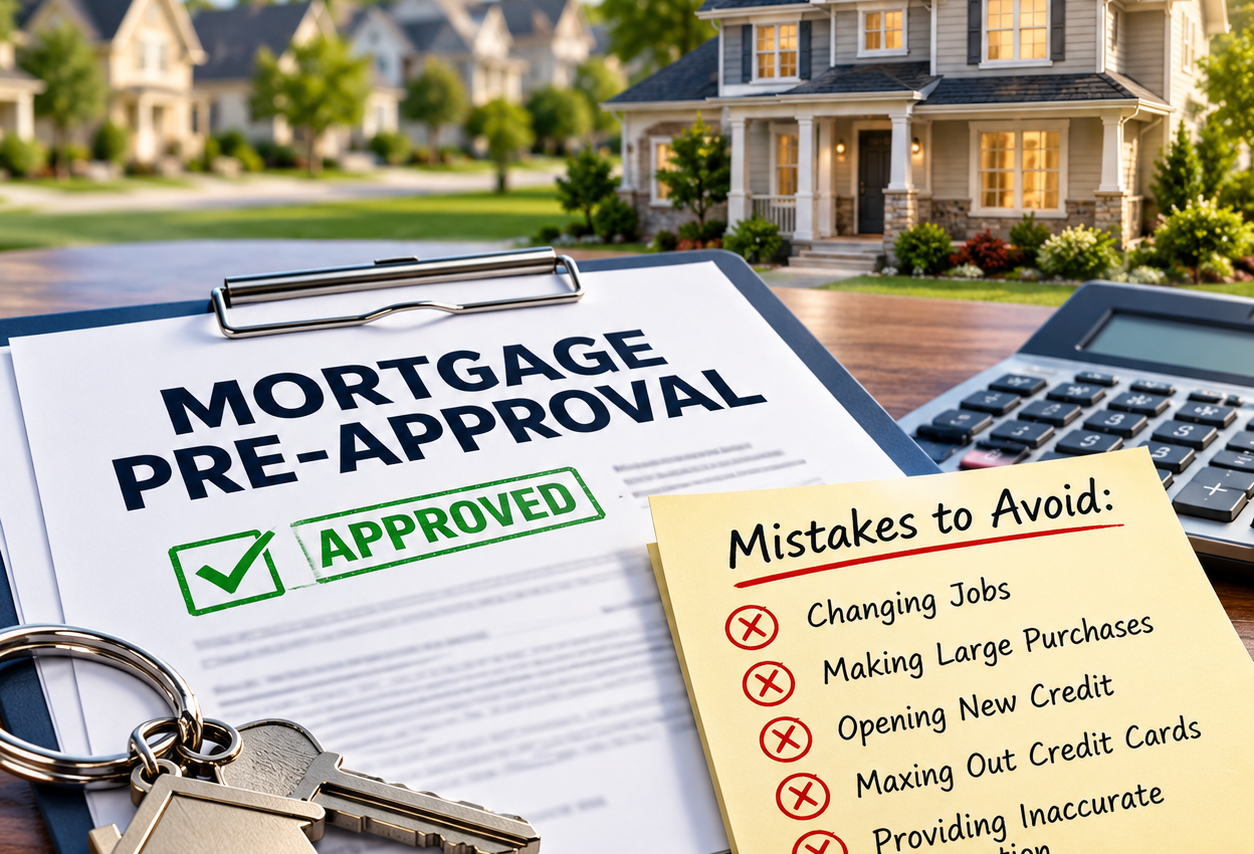

Congratulations on getting pre-approved for a mortgage! You are one step closer to buying your dream home in Gwinnett County. It is an exciting milestone that indicates that a lender has looked at your financials and sees that you may be eligible for home loans. Now comes the fun part, finding the right home. However, your mortgage still needs final approval before you can close the deal.
A lot of buyers assume that their loan is guaranteed after getting pre-approved, but that is not always true. Until closing, your lender keeps looking at your financial circumstances.Taking on new debt, missing bill payments, changing jobs, or making large purchases can affect your loan and delay your home purchase.
Millions of people apply for home loans every year. The Federal Financial Institutions Examination Council (FFIEC) reported that lenders received 7.77 million mortgage applications in 2024. With so many buyers competing for homes, avoiding common Gwinnett County mortgage pre-approval mistakes to avoid can help keep your financing on track and make the buying process much smoother.
What Can Affect Your Mortgage Pre-Approval?
Getting pre-approved is an important step, but it is not your final loan approval. Your lender may continue reviewing your income, employment, credit, and bank accounts until closing. Any small financial adjustments that you make during this period might result in rejection of your mortgage application.
NerdWallet’s mortgage analysis found that a high debt-to-income (DTI) ratio was the primary reason for 36% of mortgage denials. This shows why it is important to avoid taking on new debt and keep your finances stable after getting pre-approved.
Below are the most common Gwinnett County mortgage pre-approval mistakes to avoid to help keep your loan on track and avoid unnecessary delays before closing.
1. Taking on New Debt
One of the biggest mistakes Gwinnett County buyers make after getting pre-approved is opening a new credit card or financing a large purchase. Even if the purchase seems affordable, it can affect your mortgage approval.
For example, buying a new car, furniture, electronics and luxury goods on credit can increase your monthly debt. That could shift your debt-to-income ratio, which lenders use to determine whether you still qualify for the loan.
New debt can also impact your credit score and may require your lender to review your application again. If possible, wait until after closing before making major purchases or applying for new credit.
2. Missing Bill or Credit Card Payments
Your payment history plays an important role in your credit score. Missing even one payment can lower your score and raise concerns for your lender.
During your mortgage application period, it is best to continue paying all your bills on time. Setting up automatic payments or reminders can help you avoid accidental late payments.
Keeping your credit in good shape also helps protect the savings you’ve set aside for your purchase. Planning ahead also includes understanding how much down payment you need to buy a house, so you can budget confidently without affecting your mortgage approval.
3. Changing Jobs Without Talking to Your Lender
A new job may sound like good news, but changing employers during the mortgage process can create delays.
One of the things lenders look for is a stable employment history. If at all you are thinking of changing jobs, switching careers, or taking up self-employment, you need to have a conversation first with your lender. They can explain how the change may affect your mortgage application and what additional documents you may need.
Whenever it depends on your situation, better wait for your loan closing before major career changes. Keeping your employment and income stable can help your mortgage approval stay on track.
4. Making Large Bank Deposits Without Documentation
Lenders review your bank statements to verify where your money comes from. Large or unexpected deposits may raise questions during the underwriting process.
If you deposit money into an account, and the lender asks you to present the documentation, you are ready with the proof. Keeping clear records can help prevent unnecessary delays and keep your mortgage approval on track.
You should always make sure not to take part in any of the financial operations until your loan is closed. Maintaining consistent bank activity makes it easier for your lender to verify your finances and helps keep your Gwinnett County home purchase moving smoothly.
5. Co-Signing a Loan for Someone Else
Helping a family member or friend by co-signing a loan may seem like a kind gesture, but it can affect your mortgage approval. Even if you are not making the monthly payments, lenders may still count the new debt when reviewing your finances.
Adding a new financial obligation can increase your debt-to-income ratio and may require your lender to review your mortgage Pre-approval again. It might delay your home financing or raise several concerns during the loan review.
To avoid unnecessary complications, wait until after closing before co-signing any loans. Stability of your financial commitments will be the factor that keeps you from losing your mortgage approval.
6. Closing Old Credit Cards
A lot of people think that closing old credit cards will improve their finances, however, the truth is it can sometimes have the opposite effect during the mortgage process.
Closing an account may reduce your available credit and increase your credit utilization ratio. Such a move could result in a decline of your credit score even when you don’t add any new debts. A lower credit score may affect your loan terms or create additional questions from your lender.
Unless your lender recommends it, avoid closing credit accounts while your mortgage is still being processed. Keeping your credit history stable can help make your Gwinnett County home-buying process smoother and keep your mortgage approval on track.
7. Spending Your Down Payment or Savings
Buying a house in Gwinnett County involves more than just the down payment. In addition to the initial payment, you need to have money available to cover the closing costs, inspections, moving expenses, and other associated costs with the ownership of a property.
If you spend a large part of your savings before closing, your lender may question whether you still have enough funds to complete the purchase. This type of situation can lead to delay of the transaction and also to extra paperwork to be handled.
Keep your savings as stable as possible until your mortgage has been finalized. Having enough funds available can help you handle unexpected costs and move through the closing process with confidence.
8. Ignoring Your Lender’s Requests
Your lender may request you to submit the latest bank statements, pay stubs, tax returns, or other financial documents to conduct your loan appraisal throughout your mortgage journey.
Delaying the submission of such documents can not only hinder the processing of your loan approval but also impact your closing date. Missing important requests may create unnecessary stress during the final stages of buying your home.
Give a prompt reply to every single request and always maintain communication with your lender. Once your loan is on track, it’s also a good idea to evaluate a home’s resale potential in Gwinnett County before making your final decision.
Tips for a Smooth Mortgage Approval in Gwinnett County
Protecting a mortgage approval can be easy without much hassle. A few smart habits can help you avoid unnecessary problems.
- Make sure to keep paying your bills promptly.
- Avoid opening new credit accounts.
- Do not finance expensive purchases.
- Keep your job and income stable whenever possible.
- Avoid co-signing loans until after closing.
- Do not touch your savings and your down payment.
- Save documents for any large deposits.
- Continuously interact with your lender during the process.
Following these simple steps can help you move from pre-approval to closing with greater confidence.
Buy Your Gwinnett County Home with Confidence
Getting pre-approved for a mortgage can be a good initial step, but protecting your finances until closing is just as important. Avoiding typical mortgage pre-approval mistakes can help keep your loan on track and reduce unnecessary delays.
We understand that the first step in getting your dream home is often the most challenging one. At Josie Owusu Realty, you’ll receive expert guidance throughout your home-buying journey. From finding the right home in Gwinnett County to connecting you with trusted local mortgage professionals, the team is here to make the process easier and less stressful.
Whether you’re buying your first home or your next one, having an experienced real estate agent by your side can help you make informed decisions and move toward closing with confidence.
FAQs
1. Can my mortgage be denied after pre-approval?
Yes. Changes to your income, employment, credit score, or debt can affect your final loan approval. Staying financially consistent throughout the process can help reduce the risk of unexpected issues.
2. Should I use my credit card after getting pre-approved?
Using a credit card for your usual expenses is fine, however, stay away from large purchases and always pay your bills on time. Keeping your credit activity stable can help protect your mortgage approval.
3. Can I change jobs after getting pre-approved?
You should discuss any job change with your lender first because it may affect your mortgage application. An unexpected job change might mean another verification to the mortgage application process needs to be completed.
4. Why do lenders check my bank statements again?
Lenders want to confirm that you still have enough money for your down payment, closing costs, and reserve funds. Besides, the lender wants to be sure that no fundamental change in your personal finances occurred during the loan application process.
5. How can I keep my mortgage approval on track?
Keep your finances stable, avoid new debt, pay your bills on time, maintain your savings, and respond quickly to your lender’s requests. If you manage to keep everything on track you are sure to minimize the delays at the last stages.
6. Can a real estate agent help me during the mortgage process?
Yes. A knowledgeable real estate agent can guide you through the home-buying process, help you avoid common mistakes, and connect you with trusted professionals when needed. Josie Owusu Realty helps buyers make informed decisions while searching for the right home.