


What happens if the home you’re ready to buy isn’t worth the price you’ve agreed to pay? The truth is, most buyers don’t realize this until they see the appraisal report.A low appraisal can delay closing, affect your mortgage approval, or force you to renegotiate the purchase price with the seller.
A home appraisal is one of the most important steps in the buying process because it determines whether a property’s market value supports the agreed sale price. Understanding the common appraisal problems buyers face can help you avoid unexpected costs and make more confident purchasing decisions.
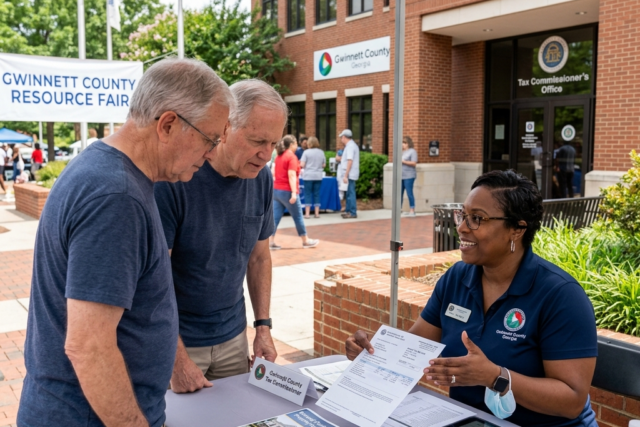
Gwinnett County residents should be aware that property valuations are changing very often and hence accurate appraisal is of the most importance. In 2025, the Gwinnett County Board of Assessors mailed approximately 308,000 Annual Notices of Assessment, with 84% of residential properties receiving updated values based on current market conditions. All these figures illustrate that real estate prices vary rapidly and buyers must know how appraisals work as well as the things that may affect it.
What Is a Home Appraisal?
The fair market value of a property is determined as a result of a home appraisal done by a licensed appraiser. Mortgage lenders require appraisals to ensure they are not lending more money than the home is worth.
The appraiser evaluates several factors, including:
- Recent comparable home sales (comps)
- No of bedrooms and bathrooms as well as area of house
- Lot size
- No of years since new construction
- Recent renovations or upgrades
- Neighborhood trends
- Market conditions
Unlike a home inspection, which focuses on identifying repairs and safety concerns, an appraisal determines value.
Why Appraisals Matter for Buyers
Many buyers think that once a seller accepts their offer, financing is almost guaranteed. Unfortunately, that’s not always the case.
Lenders base the loan amount on the appraised value—not necessarily the contract price. If the appraisal is lower than the agreed purchase price, buyers may need to:
- They could come to a new agreement with the seller
- Increase their down payment
- Challenge the appraisal
- Cancel the purchase if protected by an appraisal contingency
In Gwinnett County, property owners have 45 days to appeal their Annual Notice of Assessment if they feel that their home value is misrepresented in the assessor’s office. While tax assessments differ from mortgage appraisals, both are based on determining a property’s market value.
Now, let’s take a closer look at the most common Gwinnett County home appraisal problems buyers should understand before making an offer.
Problem #1: The Home Appraises Below the Purchase Price
A low property value evaluation report is one of the most frequent issues experienced by homebuyers.
Suppose, for instance, you enter into a contract to buy a house that is priced at $500, 000;but the appraisal comes back at $475,000, the lender typically finances the loan based on the lower amount.
This scenario presents a few possibilities:
- Request the seller to lower the asking price.
- Cover the $25,000 difference yourself
- Meet somewhere in the middle
- Walk away if your contract allows
Low appraisals often occur when buyers compete in multiple-offer situations where sale prices rise faster than comparable sales can support.
Problem #2: Limited Comparable Sales
Appraisers rely heavily on recent comparable sales.
This challenge is very common in neighborhoods in fast-growing Gwinnett County because:
- The prices of new construction change very fast.
- Few similar homes have sold recently.
- Renovated homes may differ significantly from nearby properties.
- Unique floor plans lack comparable examples.
Without strong comparable sales, the appraiser may rely on older or less similar properties, potentially resulting in a lower valuation. Understanding this is one of the most important Gwinnett County homebuyer mistakes to avoid, as it can affect both your financing and negotiations.
Problem #3: Rapidly Changing Market Conditions
The situation with real estate varies all the time.
When home prices increase quickly, comparable sales may lag behind current buyer demand. Since appraisers usually work with final sales rather than pending contracts, valuations sometimes trail the actual market.
This disconnect can create frustration for buyers who believe they’re paying fair market value based on current competition.
Problem #4: Property Condition Concerns
House conditions can play a big role in the value of a home at the time of the appraiser’s visit. Reasons a home may not appraise at the expected price often include visible damage, maintenance has been put off, or the property is in poor condition and not marketable.
Common issues include:
- Damaged roof
- Foundation cracks
- Water leaks
- Outdated electrical systems
- HVAC issues
- Building problems
- Delayed Maintenance
Even cosmetic neglect may influence how an appraiser views the overall property.
In some loan programs, required repairs must be completed before financing can close.
Problem #5: Overpricing Due to Emotional Sellers
Sellers often believe their home is worth more because of emotional attachment or expensive renovations.
However, each upgrade or addition will not necessarily result in a substantial increase on the home’s worth.
Such cases can include:
- Luxury landscaping
- High-end custom finishes
- Personalized remodeling
- Specialty features
Appraisers focus on what similar buyers have recently paid for comparable homes—not how much the seller spent on upgrades.
Problem #6: Misunderstanding Tax Assessments and Appraisals
Many buyers assume a property’s tax assessment and its appraised value represent the same number, but they serve very different purposes. A tax assessment is used to calculate property taxes in Gwinnett County, while a mortgage appraisal determines the home’s current market value for financing.
It’s common for these values to differ because they are prepared for different reasons and may use different valuation methods or timelines. A home may have a tax assessment that is either higher or lower than its appraised value, which can confuse buyers during the purchasing process.
You can avoid confusion by first taking the opportunity to get to know the history of taxes of the property and second to understand what your lender’s appraisal is really about. Understanding the difference would help you to establish clear expectations, anticipate financial pitfalls, and be a better buyer.
Problem #7: Appraisal Gaps in Competitive Markets
An ” appraisal gap, ” is a situation that occurs mainly when buyers intentionally offer more than recent comparable sales support.
This happens more often when the following conditions are present:
- Inventory is limited.
- Multiple buyers compete.
- Homes receive offers above asking price.
Some buyers include an appraisal gap clause, agreeing to pay a certain amount above the appraised value if necessary.
While this strategy can strengthen an offer, buyers should fully understand the financial commitment before agreeing.
Can Buyers Challenge a Low Appraisal?
Yes.
Buyers who have reason to believe that the appraisal is wrong can file a request to review or reconsider the valuation with their lender.
Useful supporting evidence may include:
- Better comparable property sales
- Recently closed nearby transactions
- Incorrectly indicated dimensions of the property
- Upgrades that were overlooked
- Factual errors found in the appraisal report
While the lender, not the buyer typically requests the review, strong documentation can sometimes lead to adjustments.
Tips to Reduce Appraisal Problems
Buyers cannot control the appraiser’s opinion but they can prepare themselves to lower risks.
Helpful tactics are:
- Research recent comparable sales before making an offer.
- Avoid dramatically overbidding that is much higher than market value without having a good understanding.
- Get guidance from an experienced local real estate agent.
- Include an appraisal contingency when appropriate.
- Budget for potential appraisal gaps if competing in a hot market.
- Review the appraisal carefully for factual errors.
Preparation helps buyers make informed decisions rather than reacting under pressure.
How a Local Real Estate Expert Can Help
Navigating a home appraisal is much easier when you have an experienced local real estate professional by your side. From pricing a home accurately to reviewing comparable sales and negotiating after a low appraisal, the right guidance can help you avoid costly delays and make informed decisions throughout the buying process.
At Josie Owusu Realty we have deep insights into the Gwinnett County housing market and are aware of all the things that can affect how much your property will appraise for. Whether you’re buying your first home, moving, relocating, or upgrading your home we deliver market insight, strategic advice, and personalized support to help you move forward with confidence.
Partnering with a qualified local expert to buy a home in Gwinnett County will enable you to overcome the challenge of home valuation, negotiate successfully, and enjoy a smoother path to closing.
FAQs
1. What happens if a home appraisal comes in lower than the purchase price?
If the appraisal is lower than the agreed price, you may renegotiate with the seller, pay the difference yourself, challenge the appraisal, or cancel the contract if it includes an appraisal contingency.
2. What factors play a role in a home appraisal in Gwinnett County?
The elements which are considered by the appraiser during home valuation are,home’s condition, location, size, recent comparable sales, upgrades, and current market trends.
3. Can buyers challenge a low home appraisal?
Yes. When buyers find out there are some mistakes or or overlooks relevant comparable sales they should request the lender for a reconsideration of value
4. Is a tax assessment the same as a home appraisal?
No. A tax assessment is used to calculate property taxes, while a home appraisal estimates a property’s current market value for mortgage financing.
5. How can buyers avoid common appraisal problems?
Research comparable sales, avoid overpaying, include an appraisal contingency when possible, and work with an experienced local real estate agent.
6. How can Josie Owusu Realty help with home appraisal challenges?
Josie Owusu Realty offers local market expertise, helps prospective home buyers analyze relevant comparable sales and offers professional guidance to navigate appraisal challenges with confidence.